THE SHORT ANSWER
If you discover potentially unpermitted remodeling, first establish what work occurred and what the official records show. Preserve the contract, photographs and correspondence, then ask the responsible authority how the existing work must be evaluated. Do not conceal conditions or assume a retroactive application guarantees approval. Safety assessment, permit resolution and a contractor dispute may require separate steps, with responsibilities and costs determined from the actual facts.
Verify the gap before labeling the entire project
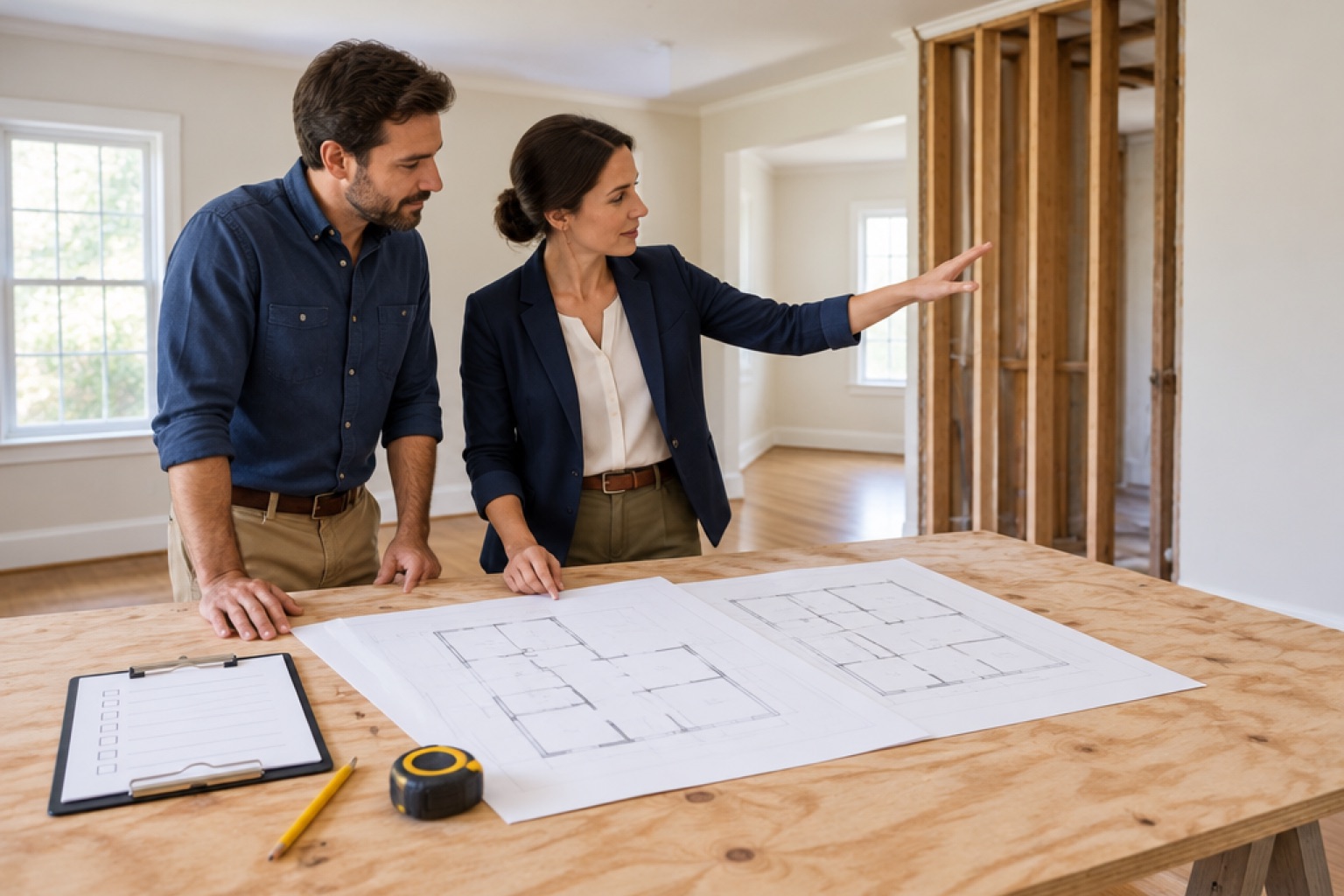
Start with the property address and parcel, approximate work dates, contracted scope and any permit numbers supplied. Ask the relevant authority for the available application, inspection and completion records. A search that returns nothing may reflect a different address format, an older record system or work outside that authority's jurisdiction. Conversely, a permit for one limited task may not cover the broader renovation. Compare the actual work with the record rather than stopping at the existence of a number. Describe unresolved facts accurately: no record located is a useful finding; a definitive claim of unlawful construction may require additional information and interpretation.
Create a factual inventory of the completed changes
List rooms and systems affected, known contractors, approximate dates and evidence for each item. Distinguish what you personally observed from what someone told you. Save the agreement, invoices, change orders, photographs and messages about permits. Avoid altering document dates or reconstructing approvals as though they existed at the time. A contractor's message saying permits included may be relevant to a dispute, but it does not prove issuance or closure. For concealed work, identify what remains unknown. This inventory helps an authority or new professional understand the project without relying on an emotional summary or a misleading statement that everything was only cosmetic.
Ask the authority about the existing-work process
The Town of Bluffton Building Safety office is the local starting point for projects within its authority. Explain that the work already exists and ask what application, review, observation or other evidence is required. Do not assume that paying a fee automatically legalizes completed work. The response may depend on scope, condition, records and applicable requirements. Obtain the instructions in a form you can preserve and clarify which portions require professional design or trade involvement. Ask about the sequence before opening walls or ordering replacement work. Unplanned investigation can damage finishes without producing the evidence the authority actually needs.
Use current application requirements to prepare the facts
The Bluffton remodel application requests project, owner, contractor and trade information and includes related documentation requirements. It illustrates why an after-the-fact review can require more than a description of the finished room. Use the current process specified by the authority for your situation rather than assuming a standard new-work application is the complete remedy. If the original contractor is unavailable, disclose that fact and ask how responsibility should be documented. A replacement professional should not be asked to certify unseen work beyond what they can responsibly evaluate. Keep assumptions and limits visible in any proposed investigation or correction scope.
Address immediate hazards separately from the paperwork
Active leaks, damaged electrical equipment, unstable construction or other urgent conditions need appropriate qualified assessment and protection. Do not wait for an administrative question to be fully resolved before addressing an immediate risk. At the same time, avoid treating a missing permit as proof that every installation is dangerous. The concern needs evidence. Document emergency measures and preserve relevant photographs or removed components where safe and appropriate. Ask the professional to explain what was observed, what protection was necessary and what further evaluation remains. That distinction supports both the repair plan and an accurate record of the original condition.
Plan investigation around the authority and specialists
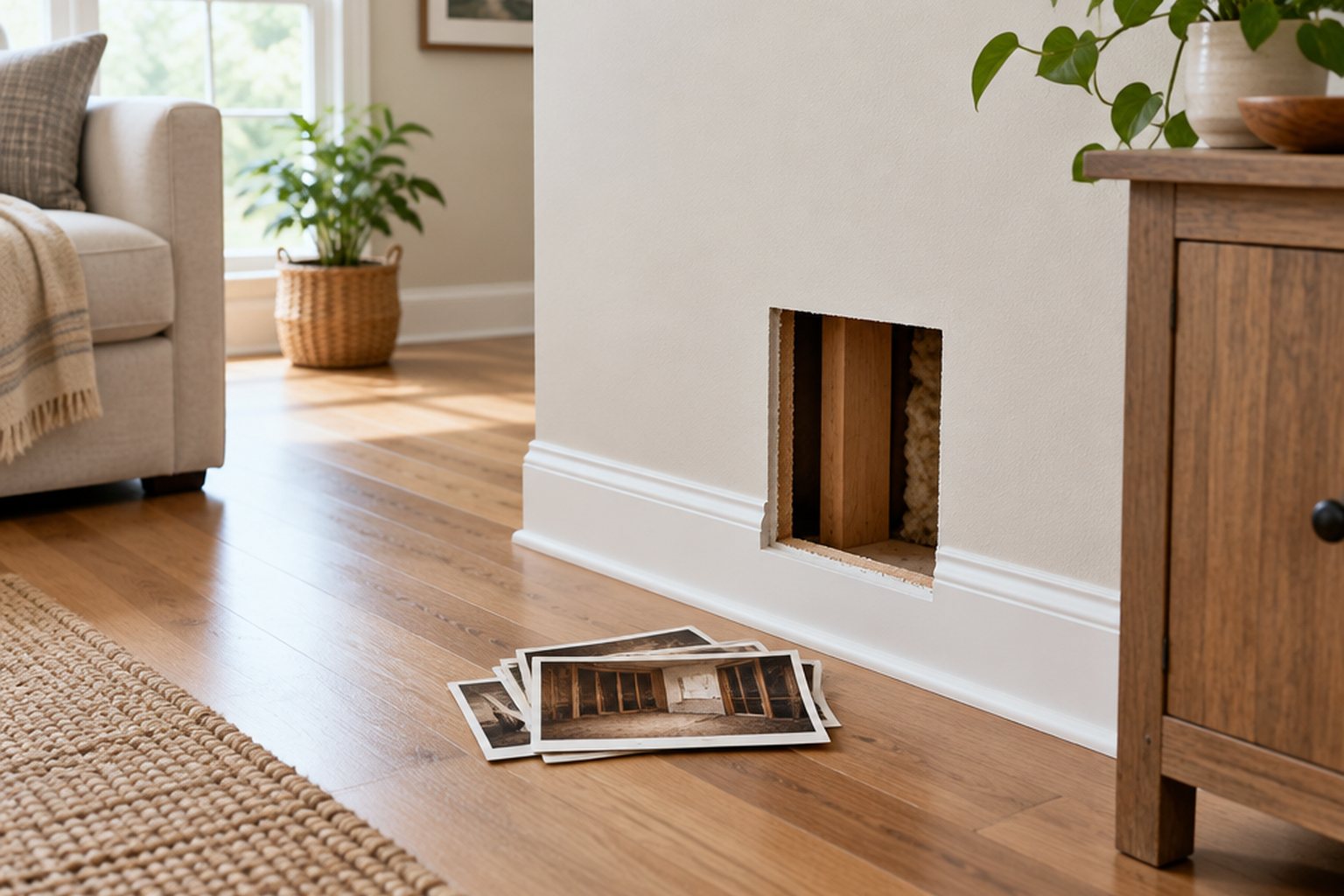
A focused investigation may require access to concealed conditions, tests, drawings or other evidence. Agree on its purpose, limits, responsibility and restoration before proceeding where circumstances allow. Photographs from construction may help, but they do not automatically replace required observation. Avoid promising that a small access opening will answer every question or that the whole room must certainly be demolished. The appropriate extent depends on findings and the decision maker's requirements. Obtain a written scope from the professionals involved. Stage the work so new information can guide the next decision rather than paying for broad destructive exploration without a clear question.
Keep the contractor dispute on a documented track
Send the contractor a factual request for the permit and inspection records and explain any confirmed discrepancy. Preserve the response. The South Carolina LLR complaint process describes how facts and supporting documents inform licensing investigations, but a complaint does not guarantee reimbursement. Contract remedies, payment disputes and responsibility for corrective costs may require local legal advice. Do not assume that one party's promise of permits settles every legal issue, or that an agency investigation replaces your need to manage deadlines. Keep the compliance process moving through appropriate advice while separately documenting who promised what and the costs being incurred.
Close with accurate records rather than an erased history
When the authority accepts the required work or documentation, retain the application, approved revisions, inspection results and completion evidence. Identify any limits on what the records establish. If the property may be sold, ask a qualified local adviser how the history and known conditions affect disclosure. Do not describe an after-the-fact approval as proof that every original condition was inspected before concealment. A hypothetical owner who obtains approval after opening selected areas should preserve both the evaluation and the resulting correction record. Honest documentation is more useful than trying to make the project history appear cleaner than it was.
BEFORE YOU PROCEED
Your project checklist
- Confirm the correct authority and available records.
- Inventory the actual work and known participants.
- Preserve evidence without backdating or concealment.
- Ask for the applicable existing-work process.
- Coordinate safety assessment and targeted investigation.
- Keep compliance, dispute and eventual disclosure records.
Questions that come up next
Can I just apply for a permit after the remodel is finished?
Ask the authority what process applies to existing work. An application alone does not guarantee approval or eliminate inspection and correction requirements.
Will unpermitted work automatically invalidate my insurance?
Do not assume that outcome. Coverage depends on policy terms and loss facts; give accurate information to your insurer or qualified adviser.
EVIDENCE & SCOPE
Sources for this guide
Applies to: United States general response; Town of Bluffton enforcement example is local.
Reddit discussions identify questions and experiences, not verified diagnoses or code requirements. Technical claims should be read with the linked primary source, product instructions and local requirements.
- Town of Bluffton: Additions/Remodels and Minor Projects Permit Applicationgovernment
Bluffton remodel application revised September 2026, covering scope, responsible parties, trade information and related completion documentation.
- South Carolina LLR: How to File a Complaintgovernment
South Carolina licensing complaint process, supporting evidence and investigation. Agency discipline is distinct from obtaining a civil recovery.
- Town of Bluffton: Building Safetygovernment
Town of Bluffton office responsible for local building plan review, inspection and adopted-code enforcement within its jurisdiction.
- Unpermitted workreddit
Owner learns after completion that a contractor did work needing a permit. Full thread was available during research. Individual experiences are not legal or technical authority.
- Reported for Basement Finish Without Permitsreddit
DIY basement work without permits receives a city notice; homeowner needs a lawful correction path. Full thread was available during research. Individual experiences are not legal or technical authority.