THE SHORT ANSWER
Before buying a house with potentially unpermitted remodeling, establish the actual work, official record status and practical path to evaluation or correction. Combine permit research with an independent inspection and appropriate specialist review. Ask your lender and insurer about their own requirements, and evaluate costs with explicit uncertainty. A seller's assurance, an as-is clause or an attractive discount does not answer every approval, condition or transaction question.
Identify exactly what is uncertain
Separate work with no record located, work with an issued but open permit and work confirmed by the authority to lack a required approval. Those situations can have different consequences and next steps. Ask the seller for the scope, dates, contractors and available records, then verify through the appropriate authority. A renovated bathroom, converted space and small finish repair should not be treated as interchangeable merely because a listing uses the word updated. Document which facts are confirmed and which remain unresolved. A useful purchase decision begins with the specific uncertainty rather than a broad statement that the entire house is unpermitted.
Read the disclosure and ask focused follow-up questions
For a South Carolina property, the official disclosure form records seller knowledge with important instructions and limitations. Compare the answers with the renovation history and available permit records. Ask about inconsistencies in writing through the transaction process. A seller may lack complete historical knowledge, but an unknown answer should remain an unknown rather than become reassurance. Do not infer fraudulent intent solely from a missing document. Preserve the delivered disclosure and explanations for your advisers. The form does not replace independent inspection or establish that an authority will accept the existing work without further investigation.
Ask the authority about the actual existing condition
Explain the completed work accurately and ask what process would apply to evaluate and resolve the approval issue. The Bluffton remodel application illustrates the project and responsible-party information used in one local process, but the authority must determine what applies to existing work. Ask whether drawings, professional evaluation, exposure, corrections or other documentation may be needed. Avoid requesting a hypothetical answer that omits important facts merely to obtain reassurance. A general statement that permits can be applied for does not establish cost, acceptance or timing for this house. Keep the response with the facts you supplied so its limits remain clear.
Arrange inspection and targeted technical assessment
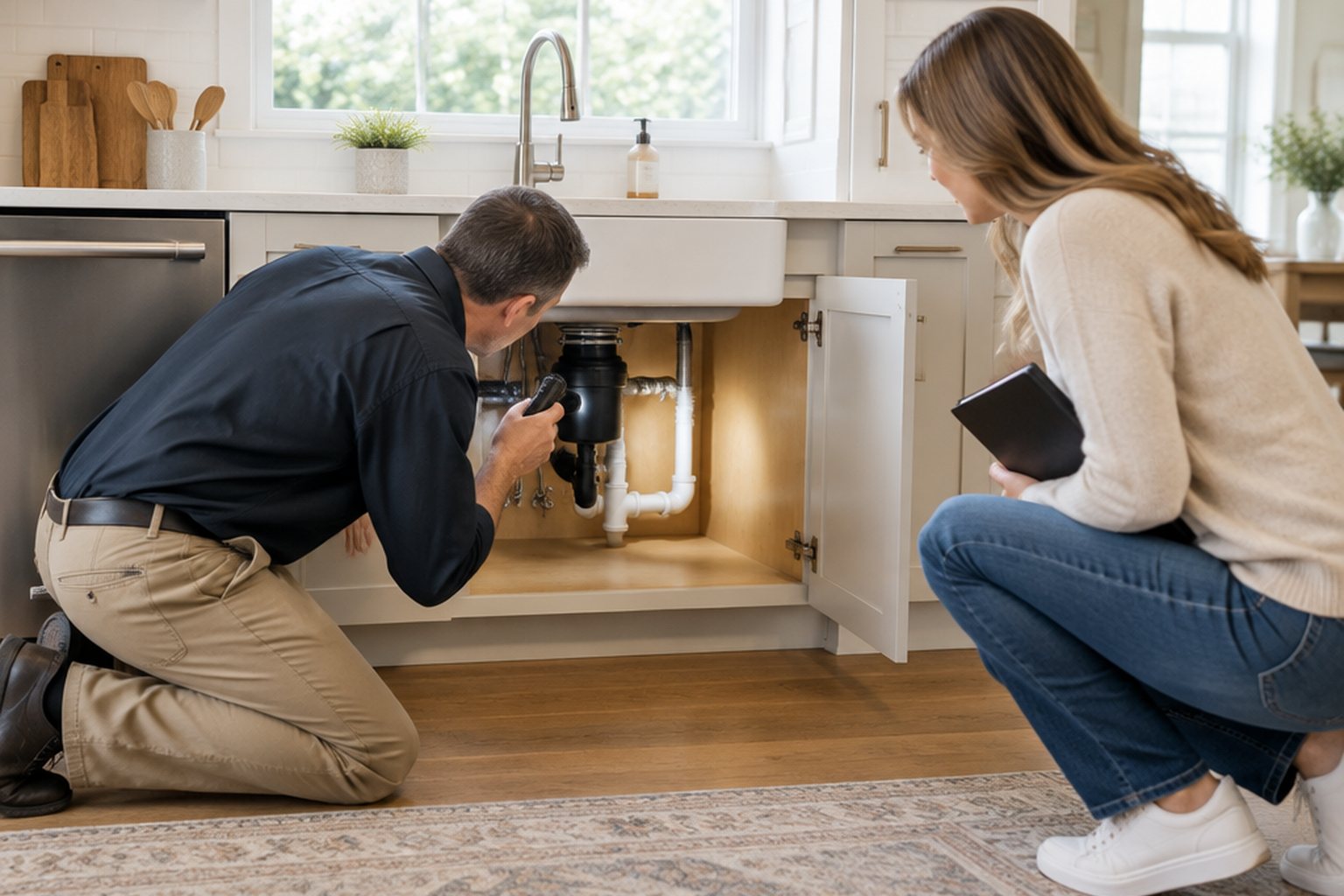
The CFPB's inspection guidance recommends independent inspection and time for follow-up. Tell the inspector what is known about the alterations and read the service's limitations. A private inspection does not automatically determine permit compliance or reveal every concealed condition. Depending on the findings, an appropriately qualified specialist may need to evaluate structural, trade or moisture concerns. Agree on access and any invasive investigation through the proper parties. Ask each evaluator to distinguish observed deficiencies, inferred possibilities and inaccessible conditions. That distinction prevents a limited visual report from being mistaken for a complete price to legalize and repair the project.
Build cost scenarios around unresolved findings
Obtain proposed investigation and repair scopes that state assumptions, exclusions and dependencies. A low estimate may cover only an application and visible corrections while leaving concealed investigation unresolved. Compare a favorable scenario with plausible additional work identified by professionals, without inventing a universal penalty or demolition outcome. Include restoration after necessary access and any design work the authority requires. Ask who would manage the process after closing and whether the professionals are willing to accept responsibility for their defined scope. If the uncertainty remains too large to price responsibly, acknowledge that fact rather than treating a contingency amount as proof the risk is controlled.
Consult the lender and insurer on their own terms
Provide accurate information to the relevant lender and insurance representative and ask how the known condition affects their requirements. The South Carolina Department of Insurance claims guide discusses contractor and insurance verification in a post-disaster context; it does not decide coverage or eligibility for a particular purchase. Do not assume unpermitted work automatically causes denial of every claim, or that a policy quote guarantees all future losses will be covered. Similarly, an appraisal does not substitute for an inspection or resolve all approval concerns. Record the questions and responses and obtain further advice if the information remains ambiguous or material to financing and protection.
Negotiate obligations that can actually be verified
Available options may include further investigation, seller correction, a negotiated adjustment or another course permitted by the agreement. Discuss timing and rights with the transaction professionals rather than relying on generic cancellation advice. If the seller agrees to resolve the issue, specify the required scope, responsible parties, applicable approvals and evidence of completion. A promise to pull a permit before closing can still leave construction corrections or final inspections incomplete. If the buyer accepts responsibility, understand the outstanding tasks and uncertainty. Avoid signing an acknowledgment that overstates what you know merely because it seems necessary to keep the transaction moving.
Make the decision from the remaining risk
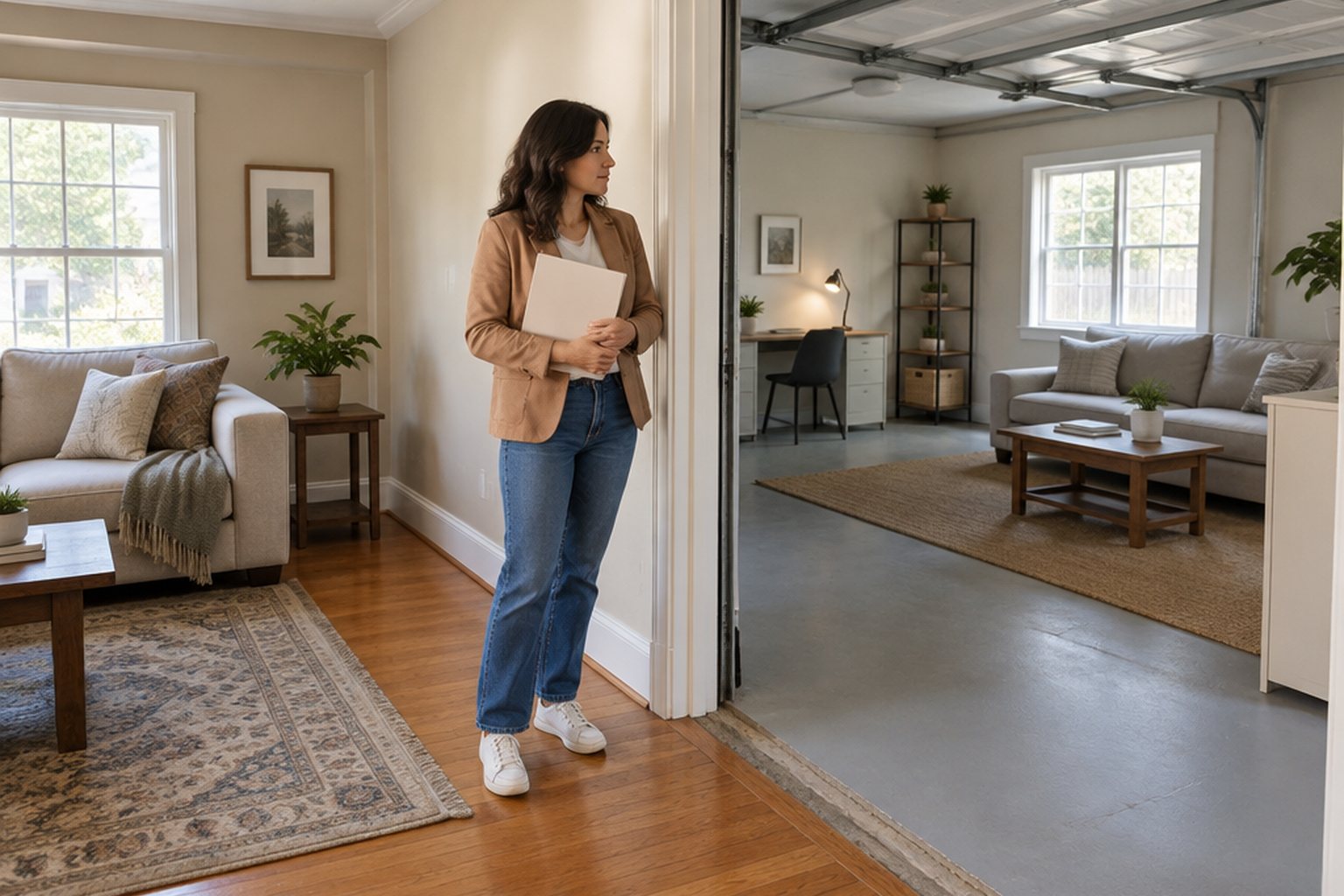
Review the official response, inspection findings, specialist opinions, cost assumptions and transaction advice together. Ask whether any unresolved issue could materially affect intended use, safety, financing, insurance or resale. A hypothetical converted room may look finished yet still require evaluation that changes its usable status or repair scope; a price adjustment alone does not answer that question. Preserve the records if you proceed so future work begins from an accurate history. The objective is an informed choice, not a blanket instruction to reject every property with incomplete permits or to accept any uncertainty that appears discounted in the purchase price.
BEFORE YOU PROCEED
Your project checklist
- Classify the exact permit-record uncertainty.
- Compare disclosures with the known work history.
- Ask the authority about the existing-work process.
- Arrange independent inspection and specialist follow-up.
- Price investigation, correction and restoration with stated limits.
- Confirm lender, insurer and contract requirements before deciding.
Questions that come up next
Can the seller just promise to obtain the permit later?
A promise leaves questions about scope, inspection, correction, timing and responsibility. Define verifiable obligations through the purchase agreement and professional advice.
Does an as-is purchase make the permit issue irrelevant?
No. The practical condition and approval questions remain, while legal consequences depend on the agreement and applicable law.
EVIDENCE & SCOPE
Sources for this guide
Applies to: US purchase framework; local authority, lender and policy determine consequences.
Reddit discussions identify questions and experiences, not verified diagnoses or code requirements. Technical claims should be read with the linked primary source, product instructions and local requirements.
- CFPB: Schedule a home inspectiongovernment
Federal home-buying guidance on independent inspection, specialist follow-up and the distinction between inspection and appraisal.
- South Carolina Residential Property Condition Disclosure Statementgovernment
Official South Carolina property disclosure form, June 2025 file, with instructions on knowledge, explanations, inspections and statutory exceptions.
- South Carolina DOI: Post-Disaster Claims Guidegovernment
South Carolina post-disaster claims guide with contractor and insurance verification advice. It does not determine coverage for a particular policy or loss.
- Town of Bluffton: Additions/Remodels and Minor Projects Permit Applicationgovernment
Bluffton remodel application revised September 2026, covering scope, responsible parties, trade information and related completion documentation.
- Buying home with unpermitted work- big deal?reddit
Buyer of a flip discovers a removed wall and older addition without permits and seeks structural review. Only a search excerpt was available during research. Individual experiences are not legal or technical authority.
- Unpermitted workreddit
Owner learns after completion that a contractor did work needing a permit. Full thread was available during research. Individual experiences are not legal or technical authority.