THE SHORT ANSWER
Before disturbing paint in an older home, establish whether lead may be present and plan the work accordingly. EPA recommends lead-safe certified help for renovation in pre-1978 homes and explains circumstances where the RRP rules apply. A recent topcoat, ordinary mask or household cleanup does not establish that older layers can be safely disturbed or that lead dust has been controlled.
Pause before following an ordinary sanding tutorial
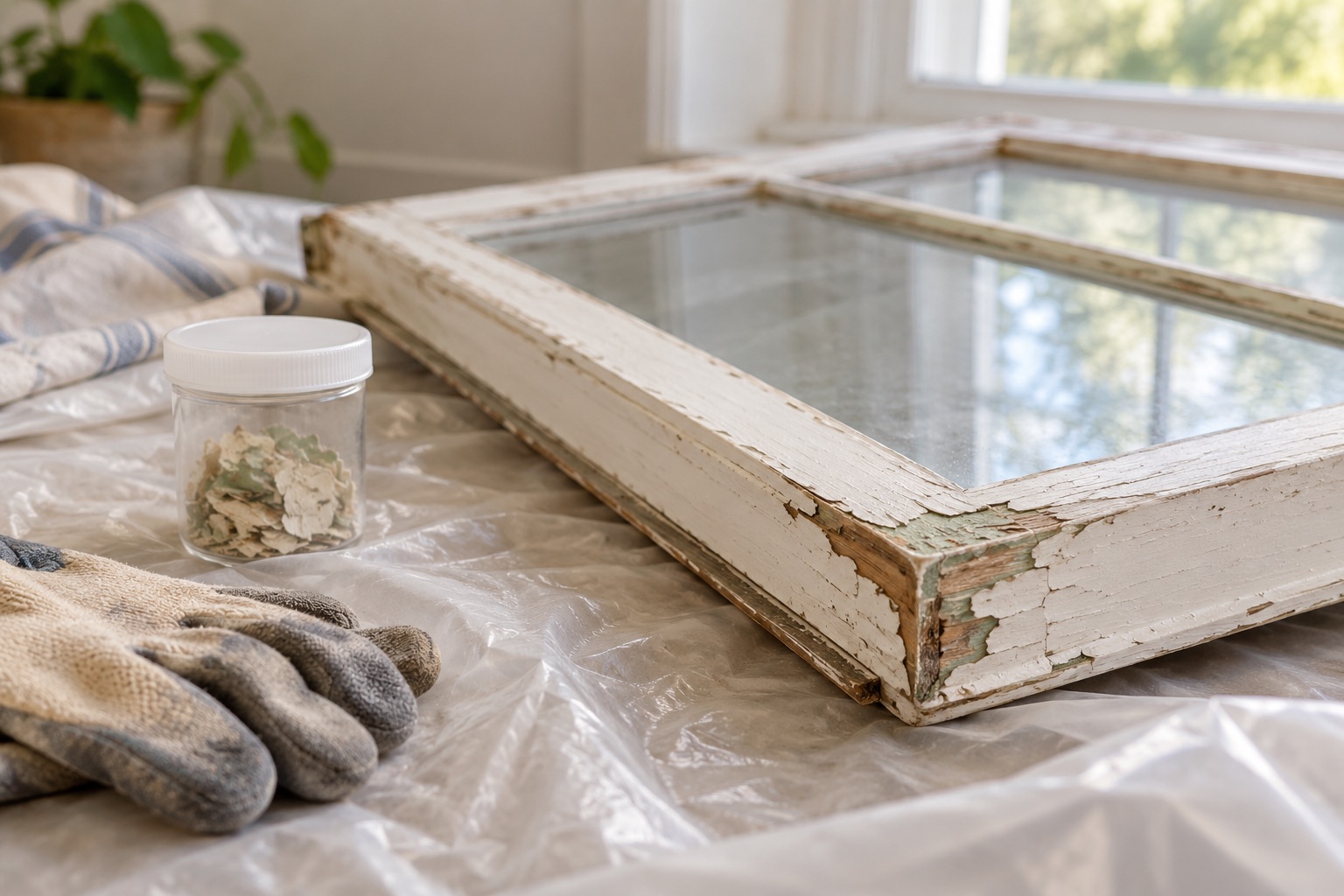
A modern-looking painted door or wall may cover older layers. The preparation step in a routine painting guide can therefore have different consequences in an older house. Check the building age and renovation records before scraping, sanding or opening coated surfaces. Do not assume a recent remodel removed every underlying finish.
The homeowner asking how to repaint trim in a 1945 home recognized this conflict between ordinary instructions and the possibility of lead. A separate report of painters sanding through lead paint shows why discovering the issue after preparation is a much harder situation. The sensible checkpoint comes before disturbance. Identify the surfaces involved and obtain the appropriate assessment rather than treating the job as harmless because the intended finish change is small.
Use an appropriate assessment for the actual surfaces
EPA's homeowner guidance recommends determining whether lead-based paint is present and using qualified testing help. The result needs to relate to the components and layers that will be disturbed. A test elsewhere in the house or on one loose chip does not automatically answer the question for every surface.
Ask what the assessment covers and keep its written result with the work plan. If the age or material cannot be established, follow the applicable precautionary approach rather than proceeding on a guess. Do not turn a consumer test result into a broader conclusion than its method supports. The purpose of assessment is to choose the correct work and cleanup procedure, not merely to obtain a reassuring photograph of a test device before sanding starts.
Distinguish homeowner work from hired renovation
EPA's RRP consumer information explains the program and selecting appropriate certified firms. Its DIY guidance also notes that ordinary work by an owner in their own home is generally treated differently from covered hired work, with important exceptions such as rental or certain business-related situations. Project applicability and local requirements should be checked rather than inferred from a short summary.
Even where a particular rule does not apply to an owner's activity, the exposure concern does not disappear. Certification, work practices and technical competence are separate from the homeowner's desire to save labor. Ask the proposed firm to identify its relevant credentials and how the work will be performed. Do not accept a plan that assigns hazardous preparation to an unqualified helper and treats the subsequent painting as the only meaningful scope.
Require a plan that protects people outside the work
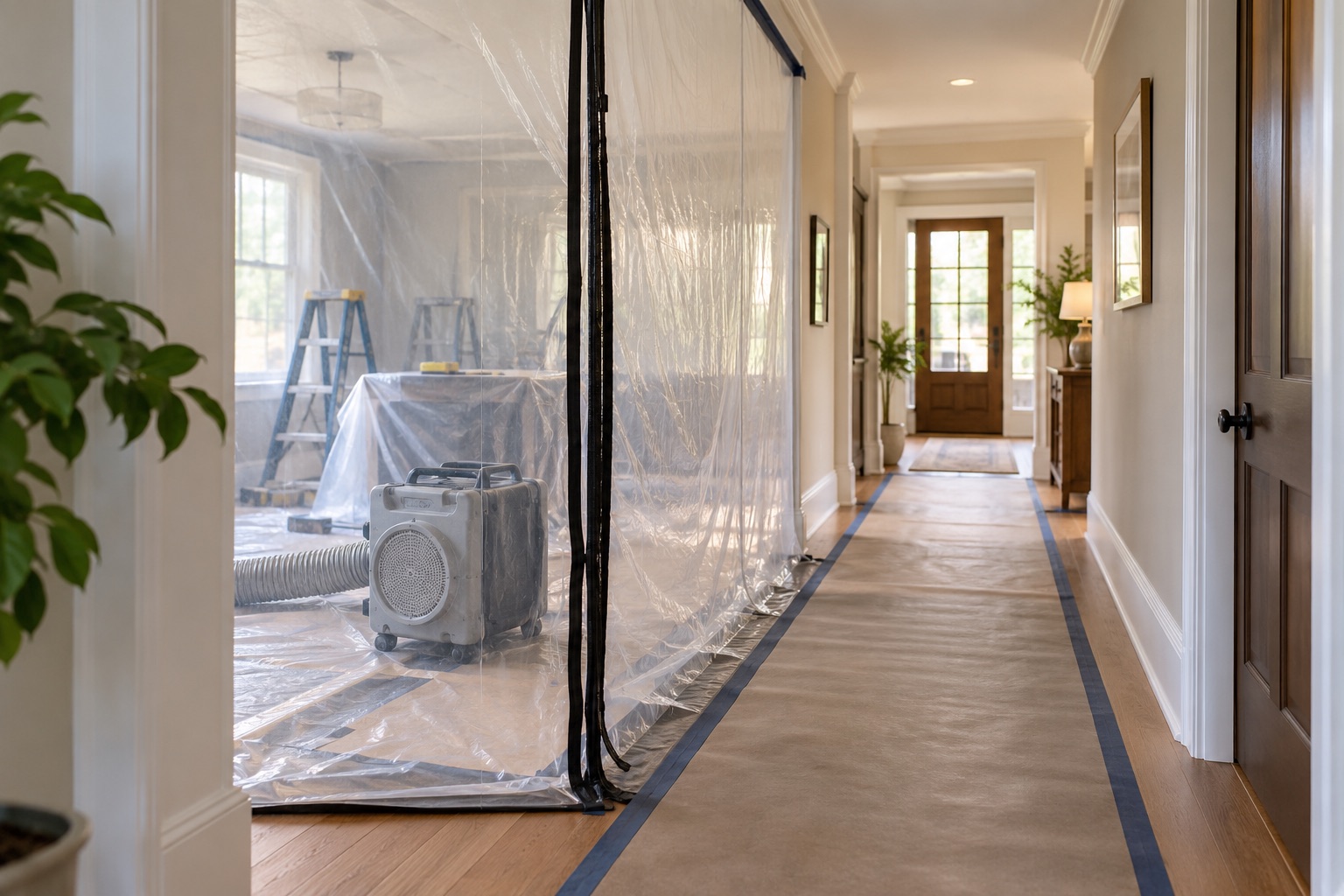
The work plan should identify the affected components, containment, access control, tools, waste handling and cleaning. Family members, especially children, should be kept away as the plan requires. Consider how workers and materials move through the house and how contamination on clothing or equipment will be prevented from reaching occupied areas.
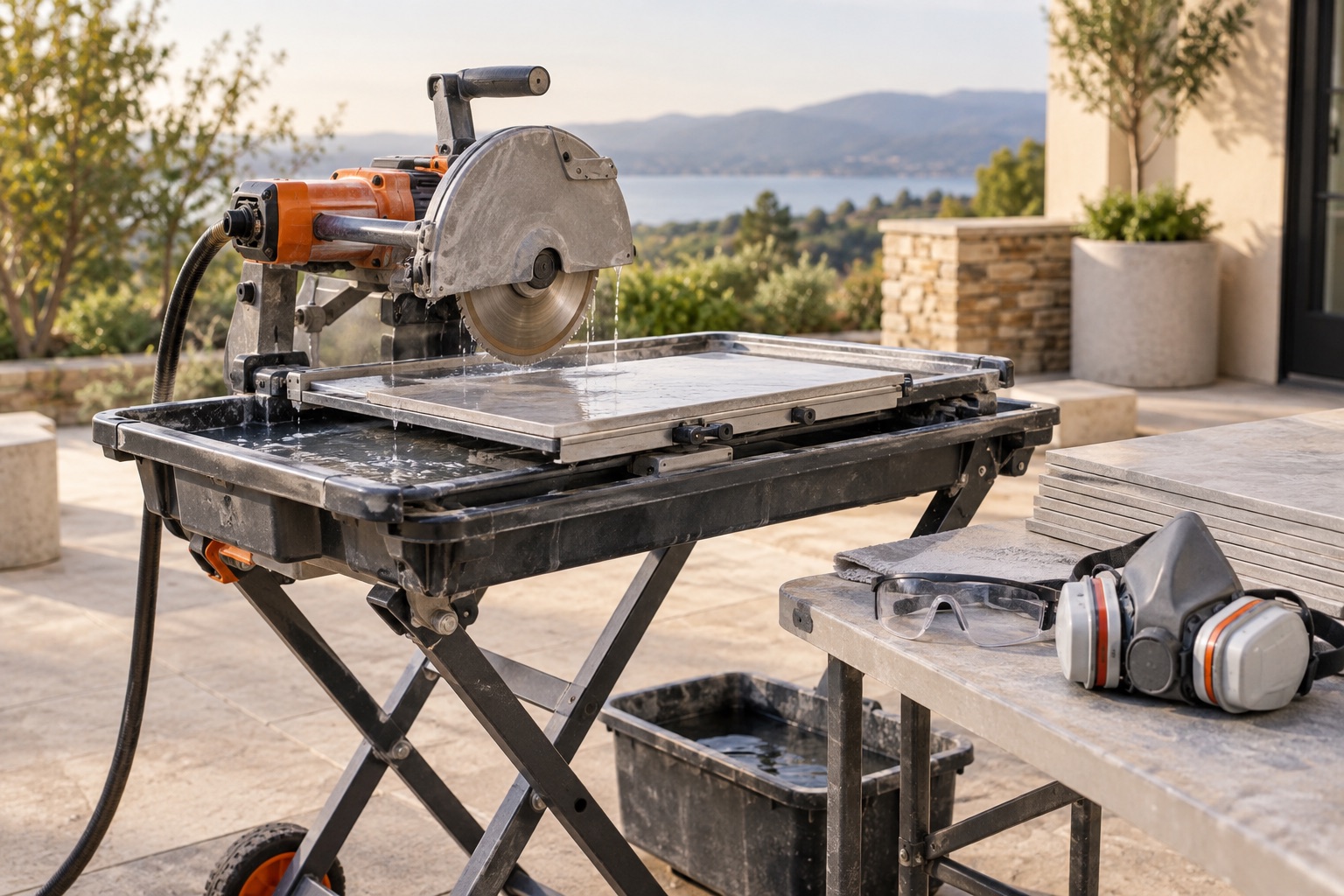
A basic plastic sheet or dust mask is not a complete lead-safe plan. The appropriate methods and protective equipment need to match the work and applicable requirements. Avoid supplying a household vacuum as a substitute for the specified equipment. Ask who sets up the area, who checks it and what happens if containment is damaged. These are practical questions a homeowner can resolve without attempting to supervise every specialized procedure personally.
Decide whether disturbance can be reduced
Some projects can meet their goal while retaining sound existing surfaces, but that decision requires assessing their condition and intended use. A new coating may be part of an appropriate maintenance approach; it is not permission to ignore loose paint, friction surfaces or contamination already created.
Discuss alternatives with the qualified professional before demolition. Replacing a component, repairing it in place or changing the proposed scope can have different exposure and cleanup consequences. Do not select a method solely because it creates less visible mess. The plan must account for the material and how the completed component will be used. A hypothetical door that repeatedly rubs at its frame may need the source of abrasion addressed rather than simply receiving another decorative coat over the same wear pattern.
Know what to do if the issue is discovered mid-project
If previously unrecognized suspect paint is disturbed, stop the activity that is creating dust and keep others away from the affected area. Do not dry sweep, casually vacuum or continue sanding to finish the section. Arrange an appropriate assessment and cleanup plan before normal work or occupancy resumes.
Preserve useful records: where disturbance occurred, what methods were used, which rooms may have been affected and what products or layers were present. Avoid spreading debris while collecting evidence. If exposure is a concern, seek appropriate health advice rather than trying to infer a person's condition from the amount of visible dust. The priority is to control the situation and use qualified evaluation, not to argue from internet anecdotes about whether a small amount can matter.
Ask for completion evidence appropriate to the job
Before work starts, agree on the cleaning and verification required for the project. At completion, obtain the relevant records from the responsible firm. Visual cleanliness is important, but it should not be represented as equivalent to every form of lead-dust testing or regulatory clearance.
EPA's homeowner guidance describes professional post-renovation dust testing as an available way to evaluate cleanup. The appropriate process depends on the project and applicable rules. Keep testing, work and product records with the house documents. Do not let occupants return simply because the new paint is dry while cleanup remains unresolved. A well-planned old-paint project begins with identifying the material and ends with evidence appropriate to the work, so the decorative improvement does not leave an unexamined contamination problem behind.
BEFORE YOU PROCEED
Your project checklist
- Check building age and the specific surfaces to be disturbed.
- Obtain an appropriate lead assessment or precautionary plan.
- Verify the hired firm's relevant certification and scope.
- Plan occupant separation, travel routes and waste handling.
- Stop and reassess if unknown old coatings are disturbed.
- Define and retain the required cleanup and verification records.
Questions that come up next
Does new paint mean the old surface is lead-free?
No. Older layers can remain beneath a recent coating.
Is homeowner DIY automatically covered by the same RRP rules as a contractor?
Not always. EPA describes distinctions and exceptions; confirm applicability while still using appropriate lead-safe practices.
EVIDENCE & SCOPE
Sources for this guide
Applies to: United States federal lead/RRP guidance; local requirements and project-specific applicability require verification.
Reddit discussions identify questions and experiences, not verified diagnoses or code requirements. Technical claims should be read with the linked primary source, product instructions and local requirements.
- EPA: Lead-Safe Renovations for DIYersgovernment
Pre-1978 paint, testing, isolation, cleanup and homeowner/RRP distinctions. US federal homeowner guidance on lead-safe renovation; project-specific program applicability varies.
- EPA RRP Program: Consumersgovernment
Hiring certified firms and consumer project planning. Indexed US federal consumer guidance reviewed for the renovation program and certified firms.
- Interior painters sanded through lead paint.reddit
Homeowner is concerned about contamination after paint preparation disturbed an older lead-containing layer. Search excerpt reviewed; the full discussion was not available during research. This is an individual homeowner account.
- How do you sand down lead paint?reddit
A pre-1978 homeowner sees ordinary trim-painting tutorials but does not know how lead changes preparation. Search excerpt reviewed; the full discussion was not available during research. This is an individual homeowner account.