THE SHORT ANSWER
Choosing attic spray foam means choosing a roof and moisture-control assembly, not just a material. Establish whether the attic remains outside the conditioned enclosure or moves inside it, and compare that plan with conventional ceiling-level insulation. Resolve roof condition, moisture management, equipment, application quality and product-specific occupancy instructions before authorizing installation.
Start with the problem you need to solve
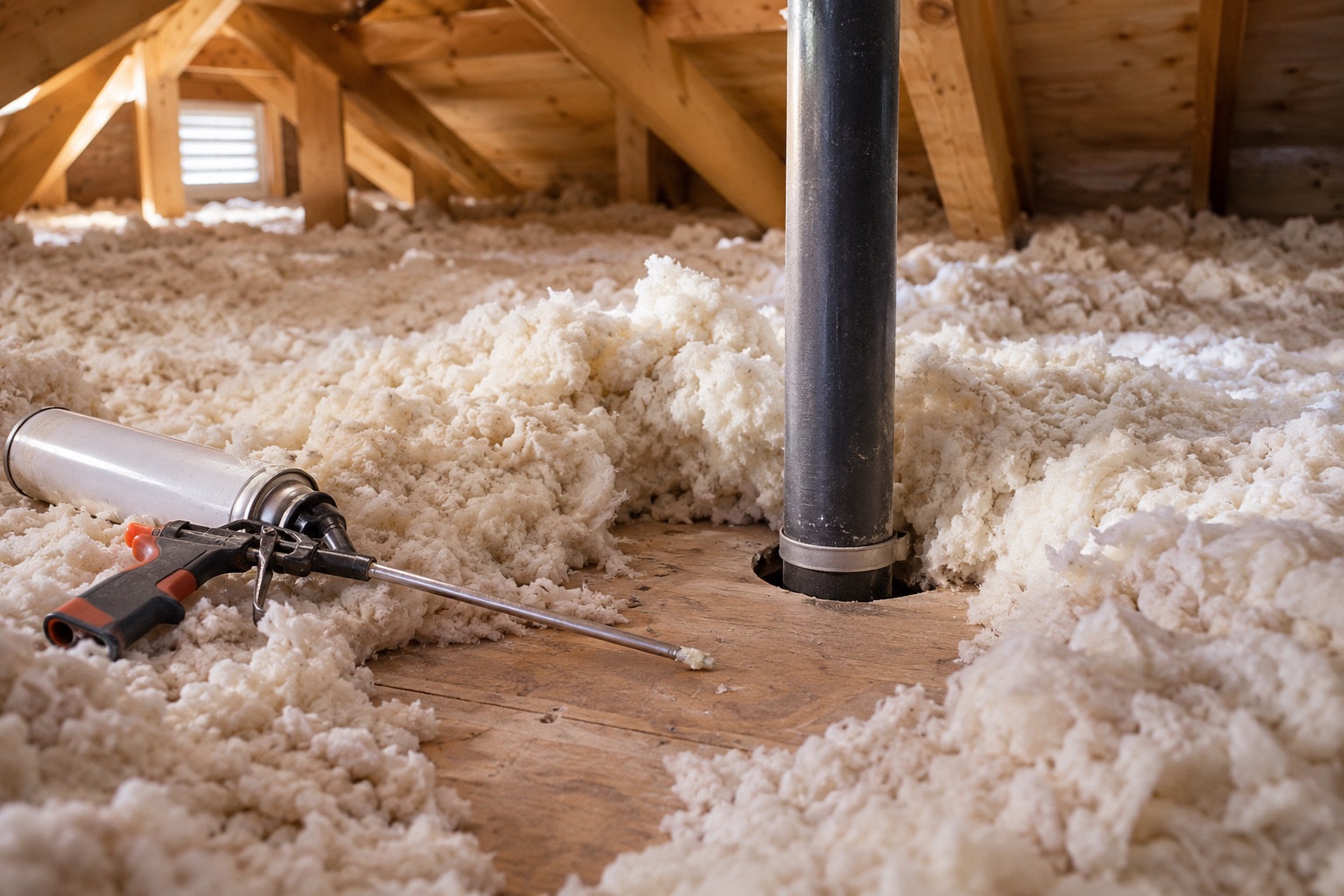
Write down whether the goal is improving occupied-room comfort, addressing ducts in a hot attic, finishing attic space or reducing leakage. These goals can point toward different assemblies. Spray foam may be one option, but it should not be selected merely because the attic feels hot on a summer afternoon. An unconditioned attic can be hot without proving that the ceiling insulation strategy is fundamentally wrong.
The research sample included both owners considering foam and an owner surprised by moisture in an already foamed attic. Together they show why the product name cannot answer the design question. Ask the contractor to explain the proposed boundary and moisture strategy in a sketch before comparing foam thickness or installation price.
Compare ceiling-level and roofline approaches
Keeping insulation and air control at the attic floor differs from moving them to the roofline. The choice affects attic temperature, ducts, equipment, ventilation and access. Combining pieces of both approaches without a coherent design can create confusing pathways for heat and moisture. The contractor should identify what remains, what is removed and which openings are intentionally retained or closed.
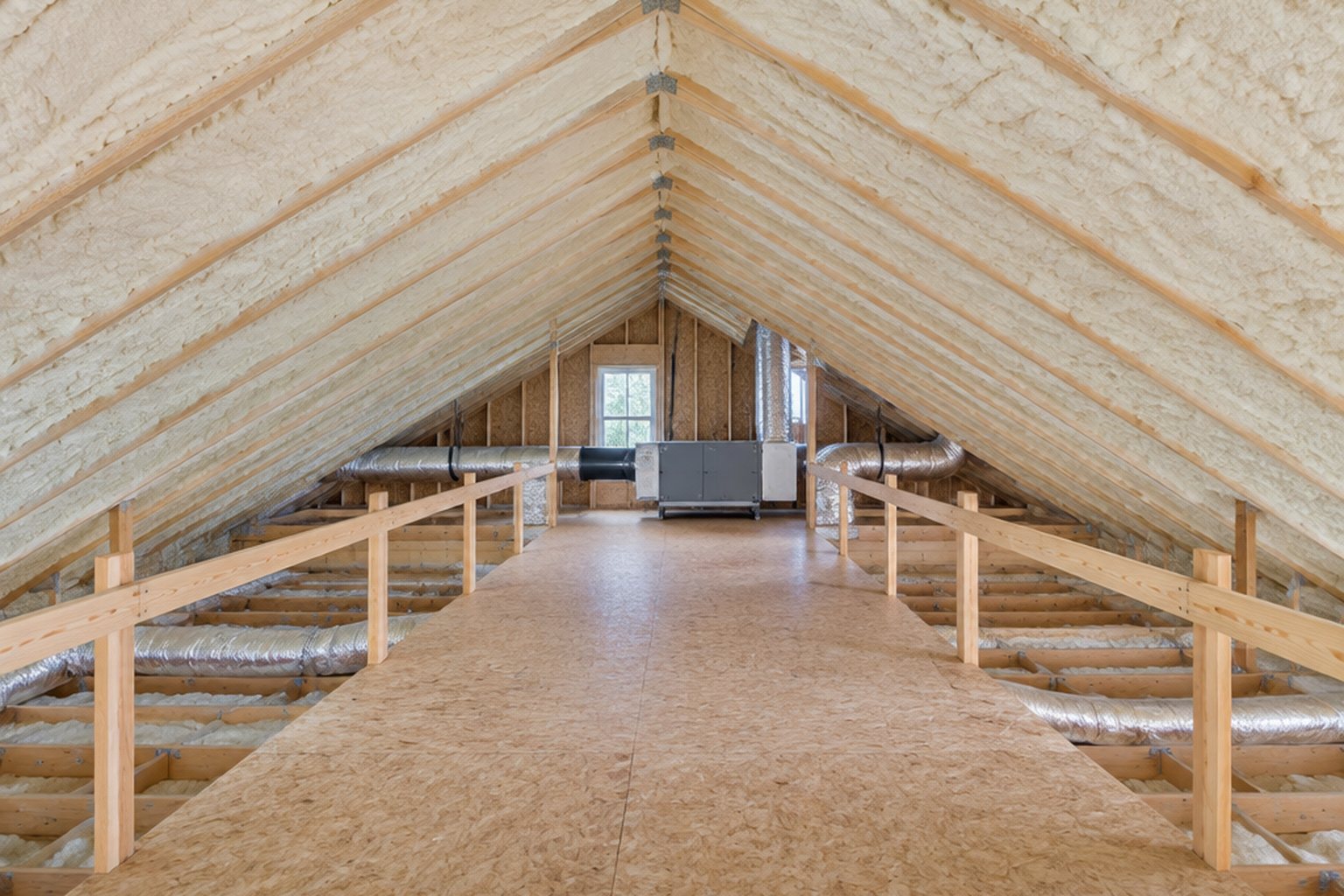
PNNL's guide to unvented conditioned attics with spray foam addresses the roofline approach and the need for moisture management. It is not a recommendation to convert every attic. Ask how the particular climate, roof construction and existing equipment support the proposed arrangement. An example from another region is useful background, not proof that the same detail fits your home.
Evaluate roof condition before concealing its underside
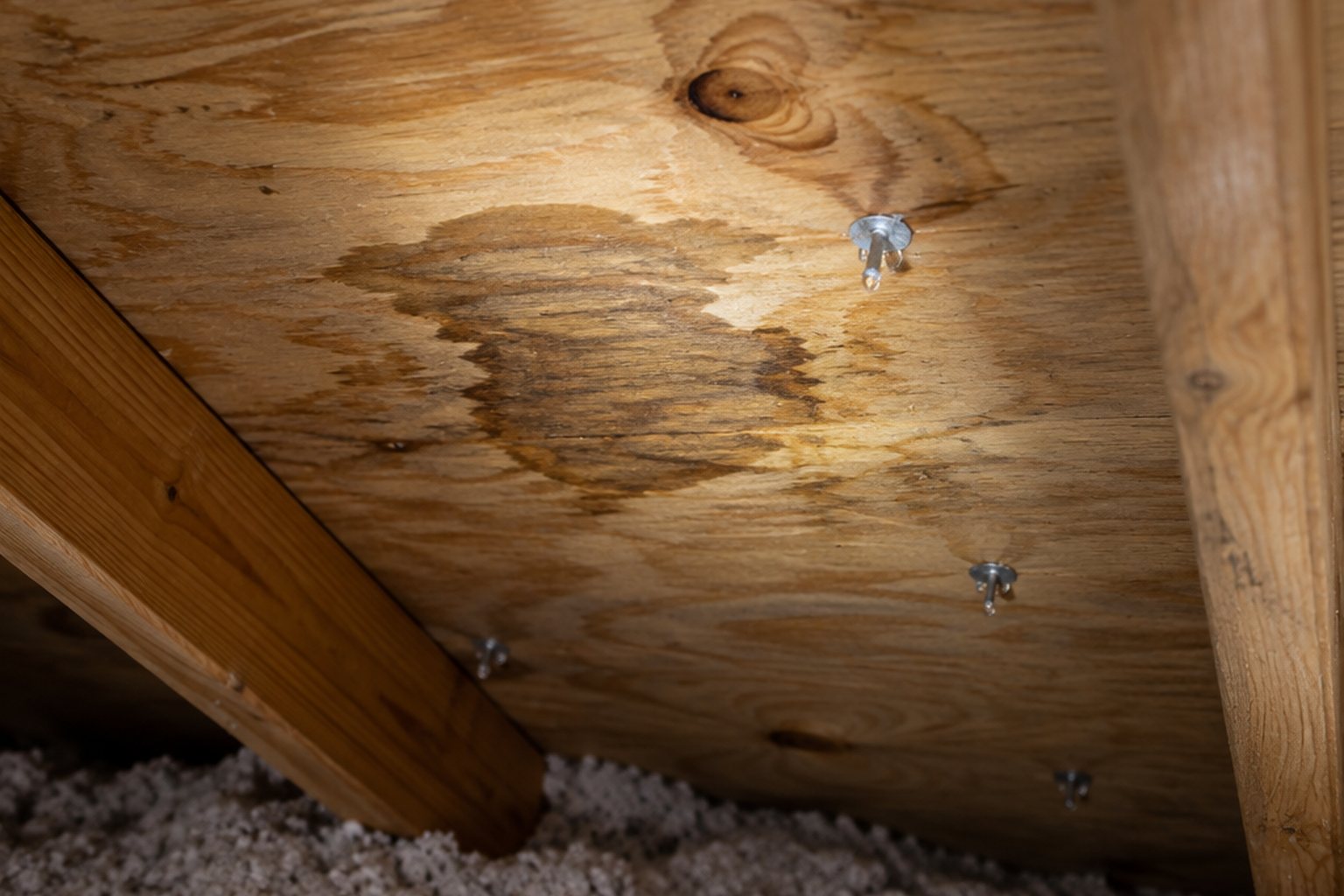
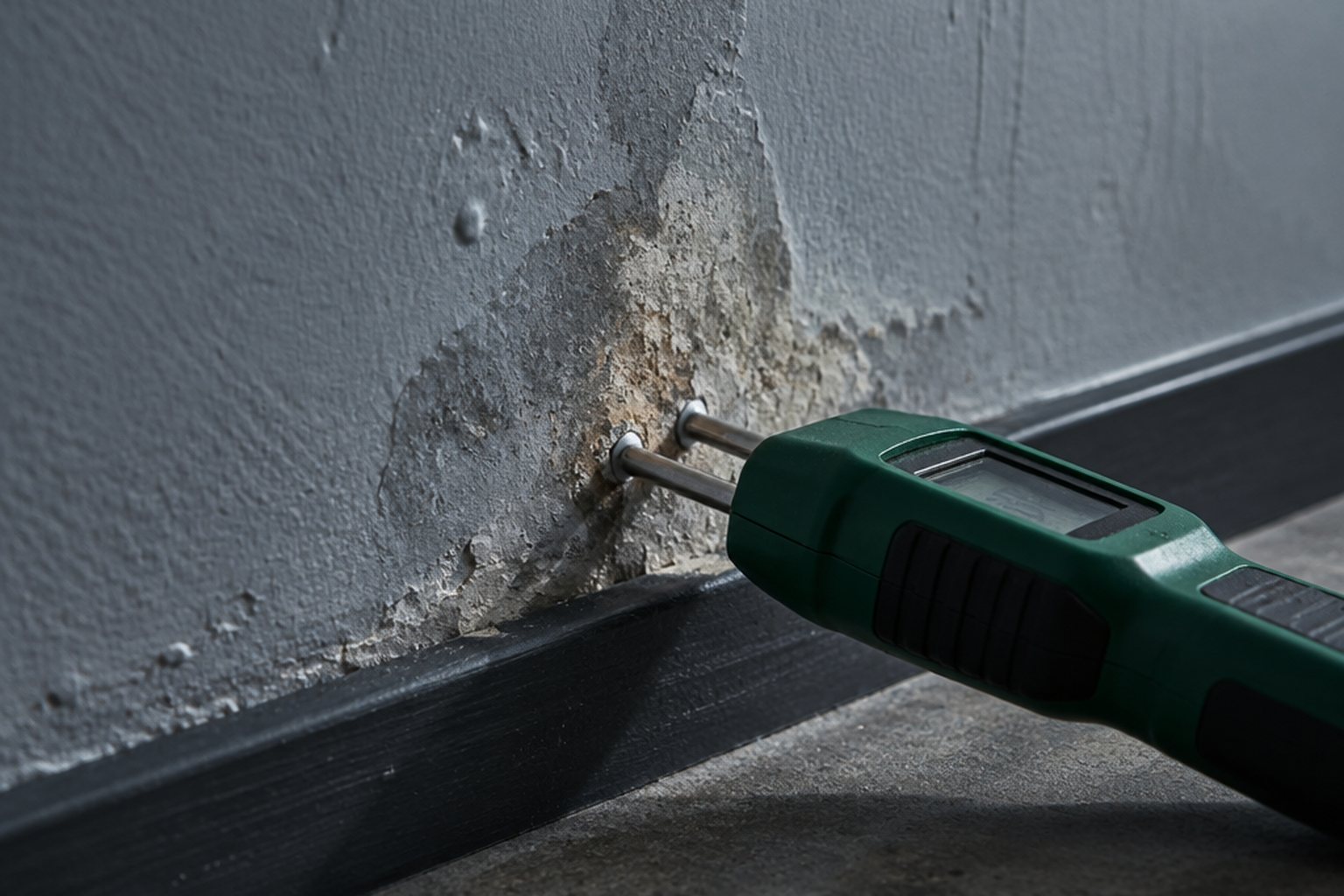
Review the roof's condition and any history of leakage. Existing damp or deteriorated material needs evaluation before an installer covers it. Ask what substrate checks the product requires, who performs them and how results are documented. A roof that needs repair should not become harder to inspect because foam was installed first.
Discuss future roof work as well. Ask how the chosen assembly affects inspection access, leak detection and replacement of damaged decking. There is no single answer for every roof and foam product, but the owner should understand the practical consequences. A proposal focused only on today's application can omit maintenance and repair questions that become expensive when the next roofing project begins.
Understand open-cell and closed-cell as product choices
Foam categories differ in properties, and exact products have their own approved applications and instructions. Avoid reducing the decision to a universal statement that one category always dries safely or always traps water. The surrounding roof layers, climate and interior conditions affect the assembly. Ask the designer to explain the drying and moisture-control logic for the complete roof.
Require exact product identification and documentation relevant to the proposed use. If a contractor offers a substitution, review it as a design change rather than assuming all spray foam is interchangeable. Thickness, substrate, temperature and other application requirements belong to the selected system. Homeowners do not need to become applicators, but they should receive enough information to verify that the installed product matches the approved plan.
Address chemical exposure and occupancy explicitly
Application conditions and exposure precautions matter. The archived EPA spray-polyurethane-foam safety guidance discusses risks associated with application chemicals and the need for appropriate controls. Because it is archived guidance, it should be paired with current product safety information and the applicator's procedures. It does not establish one universal safe reentry time for every installation.
Ask for written instructions about occupants, pets, work-zone separation, ventilation and reoccupancy for the actual product and job conditions. Clarify who confirms completion of those procedures. Persistent unusual odors or symptoms after installation deserve appropriate evaluation; do not assume that covering the odor or waiting an arbitrary number of days resolves the concern. Health questions belong with a healthcare professional, while installation concerns require qualified technical assessment.
Coordinate equipment and moisture removal
Combustion appliances, ducts, exhaust terminations and electrical equipment may be affected by converting an attic. Have the appropriate professionals assess those interactions before work begins. A previously vented location cannot simply be enclosed around equipment that relies on a different operating environment. The design should state how ventilation and moisture removal will function afterward.
For a hypothetical house with ducts in the attic, moving the enclosure can change their surrounding conditions, but that does not automatically fix leaking ducts or an improperly terminated bathroom fan. Those defects remain separate work. Require a coordinated scope that identifies which contractor addresses each component and how the completed attic will be checked under normal HVAC operation.
Compare the alternative fairly
PNNL's attic air-sealing and insulation checklist provides a useful basis for discussing a ceiling-level improvement where that assembly remains appropriate. Compare complete scopes: prerequisite repairs, air sealing, insulation, ventilation review and service access. Do not compare a comprehensive foam conversion with a bare price for adding loose insulation and conclude that the material alone explains the difference.
Ask what measured or observed evidence supports the expected comfort improvement. A sales claim about dramatic savings is weaker than a clear explanation of the existing defects and how each proposed assembly addresses them. Consider disruption and future maintenance alongside initial cost. The best choice may be the one that solves the documented problem with fewer dependent changes.
Require an installation and handover record
Before work is concealed, obtain photographs, product identification and records of relevant substrate and application checks. Confirm that required protective layers, access provisions and equipment arrangements are included in the finished scope. Ask what inspection supports completion and what conditions were outside the installer’s assessment.
The handover should explain normal monitoring and who to contact for roof, moisture or product concerns. Record initial attic conditions and inspect through relevant seasons where the design calls for follow-up. Spray foam should not be accepted solely because coverage looks continuous. Acceptance depends on the correct assembly, appropriate application, coordinated building systems and documentation that makes later questions answerable.
BEFORE YOU PROCEED
Your project checklist
- Define the problem and proposed enclosure boundary before selecting foam.
- Assess roof condition and document substrate suitability.
- Identify the exact foam product and approved assembly details.
- Obtain product-specific exposure and reoccupancy instructions.
- Coordinate combustion equipment, ducts, exhaust and moisture removal.
- Keep installation records and a plan for future roof inspection.
Questions that come up next
Is open-cell or closed-cell foam always better in an attic?
No universal choice fits every roof. The product, climate, roof layers and moisture-control strategy must work together, and the designer should explain that assembly rather than rely on a category slogan.
How long must occupants stay out after spray foam installation?
Use the selected manufacturer's instructions and the qualified applicator's documented procedures for the actual conditions. There is no single reentry time that can safely be generalized across all products and installations.
EVIDENCE & SCOPE
Sources for this guide
Applies to: United States homeowner education. Climate, existing assembly, manufacturer instructions and locally adopted requirements govern project details; no nationwide code threshold is asserted.
Reddit discussions identify questions and experiences, not verified diagnoses or code requirements. Technical claims should be read with the linked primary source, product instructions and local requirements.
- Unvented Conditioned Attic with Spray Foam Insulation Below Roof Deckgovernment
Conditioned roofline assemblies, roof-deck moisture and moisture-removal requirements. Technical guidance; local requirements and product-specific details vary.
- Spray Polyurethane Foam Insulation and How to Use it More Safelygovernment
Exposure prevention and questions about application, ventilation and reoccupancy. Archived EPA guidance; current product safety data and application instructions remain product-specific.
- Attic Air Sealing and Insulationgovernment
Preconditions, moisture/ventilation assessment and attic insulation workmanship checks. Technical guidance; local requirements and product-specific details vary.
- Safety of spray foam insulation for our attic?reddit
An anonymized homeowner question that informed the article. Retrieved through search excerpts; anecdotal evidence, not a technical diagnosis.
- Excessive Moisture in Spray Foam Atticreddit
An anonymized homeowner question that informed the article. Retrieved through search excerpts; anecdotal evidence, not a technical diagnosis.