THE SHORT ANSWER
Wet attic sheathing can result from roof leakage, condensation or moisture released into the attic by building systems. The pattern and timing help distinguish these possibilities, but a photograph rarely proves the cause. Identify the existing roof assembly, document when wetting occurs, and coordinate roof, air-leakage and ventilation assessment before adding vents or replacing insulation.
Record the pattern before assigning a cause
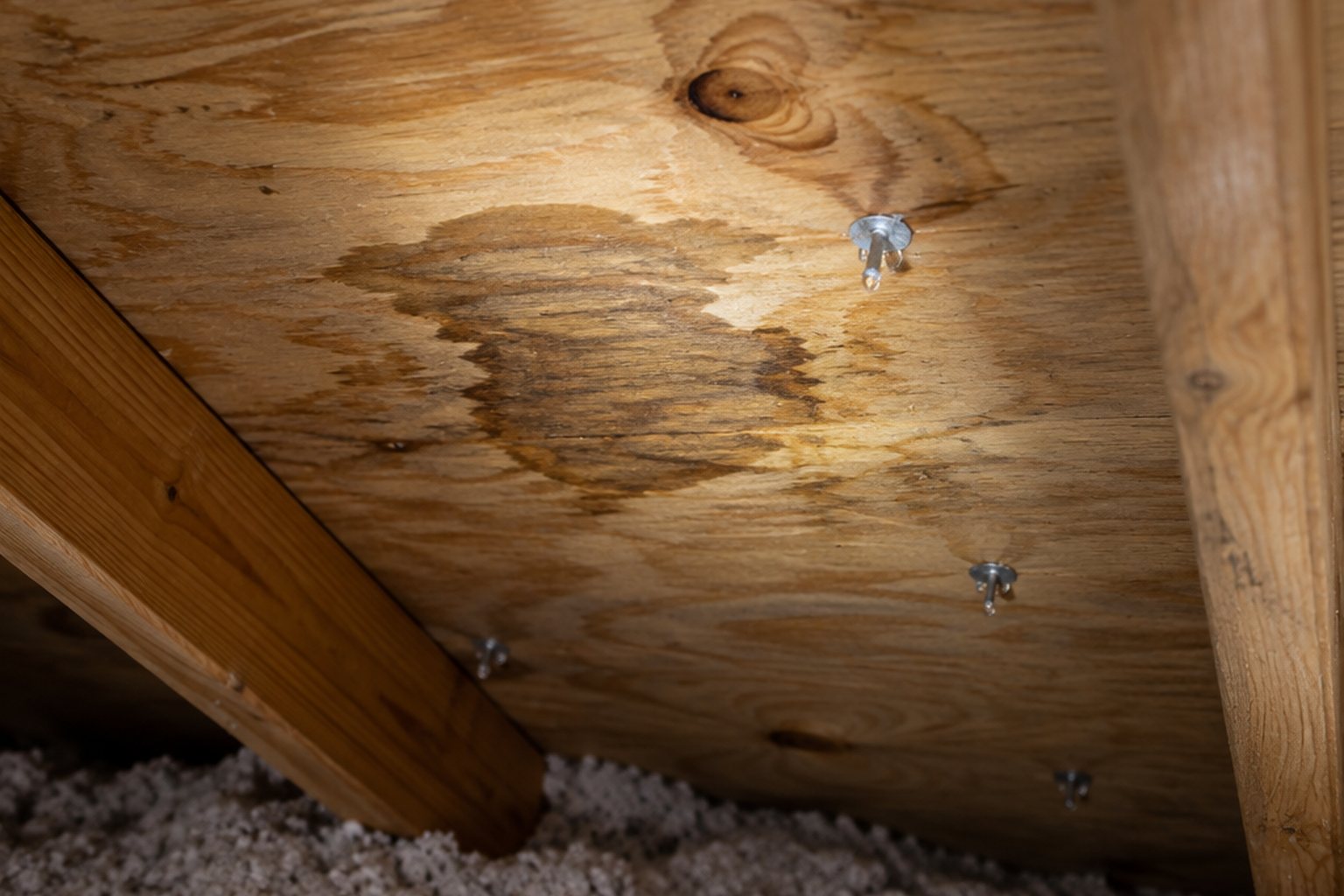
Note whether wetting is localized near a penetration or spread across a broad roof surface. Record recent rainfall, outdoor temperature and the time of the observation. Look for accessible staining and water paths without walking on unsupported ceiling surfaces or entering unsafe areas. A professional can inspect locations that are not safely accessible to the owner.
The researched case involved widespread wet sheathing in a knee-wall attic that had previously appeared dry. The owner reasonably asked whether condensation could explain it. That possibility deserves investigation, but the story does not rule out a roof leak or another moisture source. Patterns organize the investigation; they do not replace it.
Identify whether the attic is vented or unvented
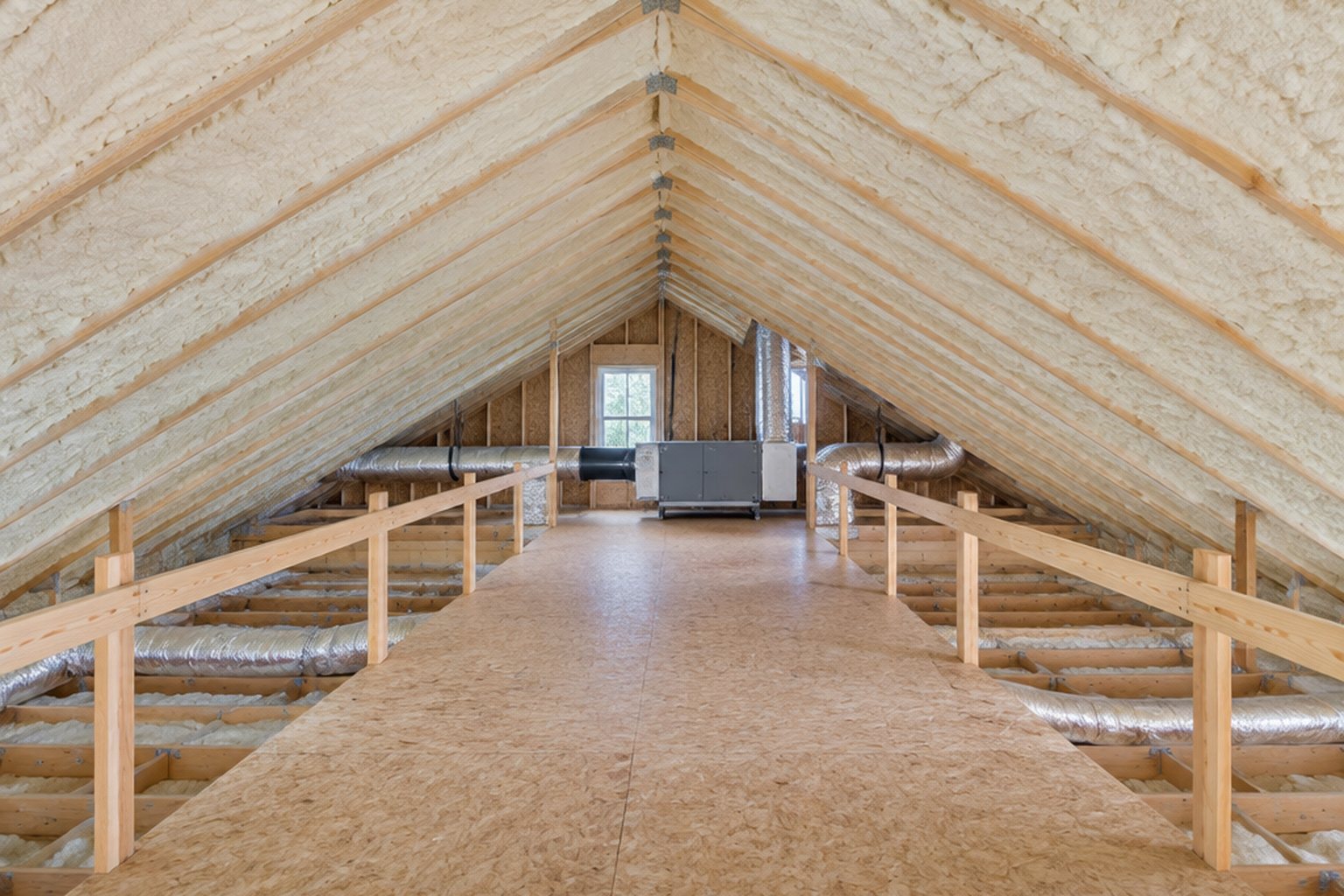
A vented attic and an unvented conditioned attic manage moisture differently. Determine where insulation and the air barrier are located and whether existing openings are intentional. Old modifications can leave a mixed arrangement that no longer functions as originally designed. Ask the investigator to sketch the current assembly rather than infer it from one visible insulation product.
PNNL's unvented-attic guidance discusses moisture control within a roofline-insulated assembly. It should not be applied as though every attic follows that design. Adding vents to one assembly or sealing them in another can create new problems. The appropriate correction starts with understanding the actual layers and pathways already present.
Investigate roof-water entry independently
Rain-related wetting calls for inspection of the roof covering, penetrations, intersections and drainage details. Water can travel along framing or sheathing before becoming visible, so the wet spot may not sit directly below the entry point. Ask what areas were inspected and which remain concealed or inaccessible. An apparently dry ceiling below does not prove the roof assembly is dry.
PNNL's guidance on existing roof-wall intersections explains the importance of directing water outward at these transitions. Where relevant, include them in the investigation rather than concentrating only on shingles above the stain. Roof access and controlled testing belong with qualified professionals using appropriate procedures. A homeowner's high-pressure hose test can produce misleading results and unnecessary damage.
Trace moisture from the occupied house
Indoor moisture can reach an attic through air leakage at the ceiling boundary or through unintended openings. Bathing, cooking and other activities provide moisture that can condense on cold surfaces under suitable conditions. The investigation should consider both the moisture load and the path into the attic. More roof ventilation alone may not correct a substantial bypass from the house.
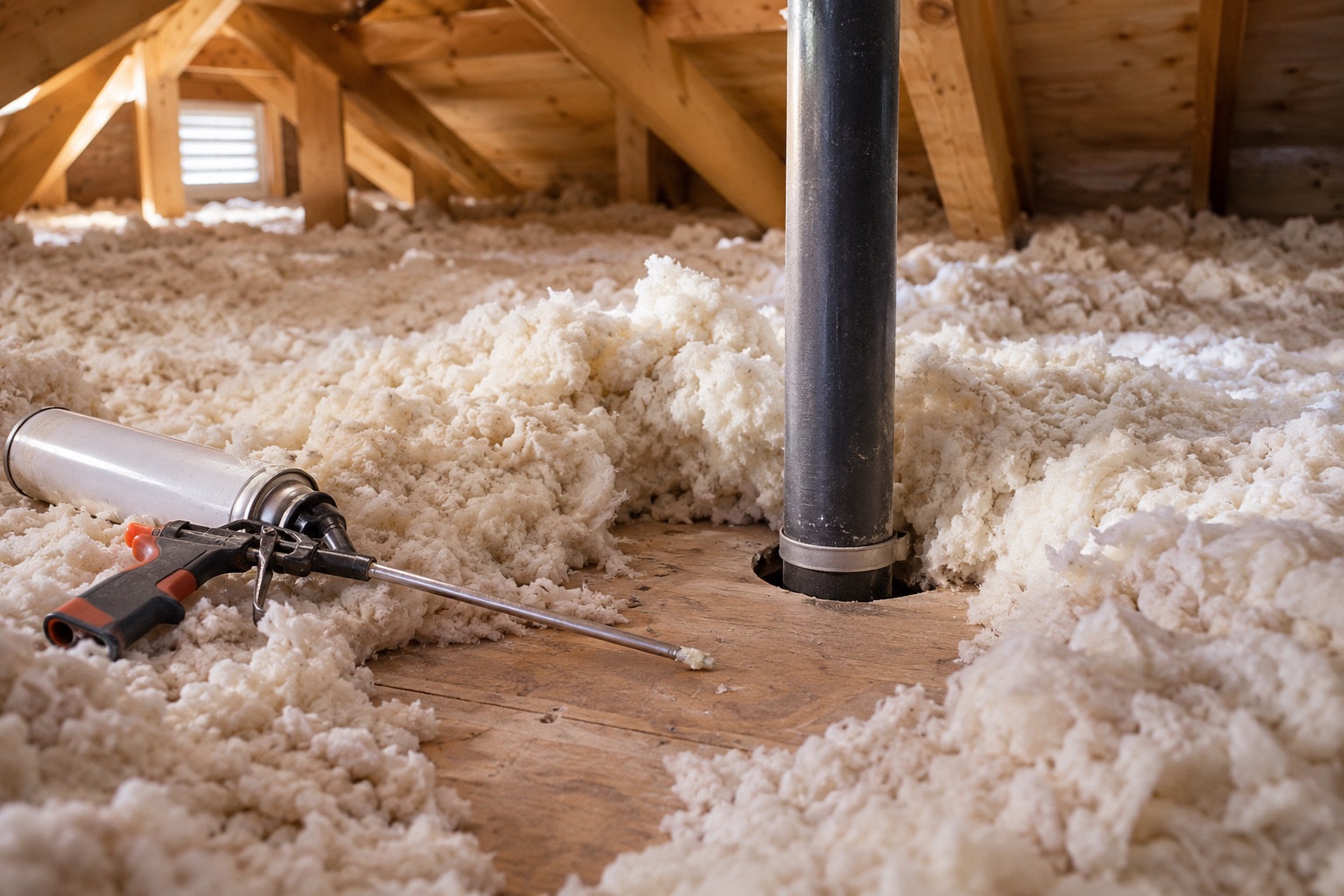
PNNL's attic air-sealing checklist calls for assessment of existing moisture and related conditions before adding insulation. Ask whether the inspection includes access hatches, chases and other relevant transitions. Do not interpret this as permission to seal around every hot or electrical component with ordinary foam; appropriate materials, clearances and professional safety checks remain necessary.
Check exhaust and combustion-related concerns
Confirm that bathroom and other exhaust ducts connect to their intended outdoor termination. A detached or incomplete duct can discharge moisture into the attic even when the fan sounds normal. PNNL's bathroom exhaust guidance treats the complete outdoor exhaust path as essential. Ask for verification of the duct, joints and termination rather than accepting the presence of a fan as proof of ventilation.
Suspected combustion vent defects require prompt qualified assessment. Do not enter or continue using equipment under conditions that suggest a dangerous venting problem simply because one detector currently shows no alarm. A detector does not certify an installation. Keep this issue separate from routine attic condensation troubleshooting and follow appropriate emergency or equipment-service guidance for the actual symptoms.
Evaluate material condition and drying
Once the source investigation is underway, assess how long materials may have been wet and whether they remain serviceable. Staining does not quantify remaining strength, and a dry surface does not necessarily establish conditions throughout the assembly. Ask the professional to document the material, instrument and comparison used for any moisture readings.
For a hypothetical attic, a broad cold-weather condensation pattern may improve after correcting a house-air bypass and exhaust defect. Another roof may continue to admit rain at one intersection and need a separate repair. Both may require drying and material evaluation. Replacing visibly dark insulation without resolving those mechanisms would leave the new material exposed to the same problem.
Compare repair scopes by their causal explanation
Ask each contractor to state the likely source, the supporting observations and what remains uncertain. A roof replacement, ventilation change or insulation project should each have a reason tied to the findings. If proposals disagree, compare their evidence before comparing totals. More extensive work is not automatically more diagnostic.
Require a coordinated plan where different trades are involved. The roofer may correct rain entry while an insulation contractor addresses air leakage and an HVAC contractor repairs exhaust. Identify who confirms that the prerequisites are complete before reconstruction. Without that handoff, each trade can finish its visible task while the attic's moisture problem remains unresolved.
Verify under the conditions that caused the wetting
Keep photographs, readings and the repair record. Ask what immediate checks support completion and what later conditions will provide a meaningful follow-up. A dry inspection during warm weather has limited value for a problem that appeared only during cold nights. Likewise, a condensation correction does not prove performance during wind-driven rain.
Monitor accessible areas and arrange professional follow-up where needed. Record new stains, recurrent droplets or changes in material condition. The acceptance goal is not simply a dry-looking attic on the day the invoice arrives. It is a documented explanation of the moisture source, appropriate correction and a practical way to recognize recurrence before another layer of finishes conceals it.
BEFORE YOU PROCEED
Your project checklist
- Record wetting location, extent, weather and timing.
- Identify the existing vented or unvented roof assembly.
- Investigate rain entry and indoor moisture pathways separately.
- Verify complete outdoor exhaust connections.
- Assess affected materials before covering or replacing finishes.
- Schedule follow-up under the relevant weather conditions.
Questions that come up next
Will adding roof vents stop wet sheathing?
Only if inadequate ventilation is part of the diagnosed problem and the vents fit the assembly. Unresolved air leakage, exhaust discharge or roof leakage may require different corrections.
Does dark roof sheathing mean it must all be replaced?
Not automatically. Appearance alone does not establish moisture history or remaining structural capacity. Qualified assessment should determine the extent and condition before a replacement scope is set.
EVIDENCE & SCOPE
Sources for this guide
Applies to: United States homeowner education. Climate, existing assembly, manufacturer instructions and locally adopted requirements govern project details; no nationwide code threshold is asserted.
Reddit discussions identify questions and experiences, not verified diagnoses or code requirements. Technical claims should be read with the linked primary source, product instructions and local requirements.
- Unvented Conditioned Attic with Spray Foam Insulation Below Roof Deckgovernment
Conditioned roofline assemblies, roof-deck moisture and moisture-removal requirements. Technical guidance; local requirements and product-specific details vary.
- Flashing of Roof-Wall Intersections in Existing Homesgovernment
Roof-to-wall drainage and kick-out flashing as upstream sources of wall and window leaks. Technical guidance; local requirements and product-specific details vary.
- Attic Air Sealing and Insulationgovernment
Preconditions, moisture/ventilation assessment and attic insulation workmanship checks. Technical guidance; local requirements and product-specific details vary.
- Bathroom Exhaust Fansgovernment
Outdoor termination, duct diameter, restrictions and installed fan checks. Technical guidance; local requirements and product-specific details vary.
- Wet Roof Deckingreddit
An anonymized homeowner question that informed the article. Retrieved through search excerpts; anecdotal evidence, not a technical diagnosis.
- Excessive Moisture in Spray Foam Atticreddit
An anonymized homeowner question that informed the article. Retrieved through search excerpts; anecdotal evidence, not a technical diagnosis.
- Bathroom Exhaust vents into the attic.reddit
An anonymized homeowner question that informed the article. Retrieved through search excerpts; anecdotal evidence, not a technical diagnosis.