THE SHORT ANSWER
Before opening walls for a suspected plumbing leak, establish what evidence points to a water-supply problem and which part of the system may be involved. Meter observations, fixture-use records and professional isolation can narrow the search. Keep rain leaks and condensation in the investigation, and plan selective access around a defined question rather than the nearest visible stain.
Start with the symptom and its timing
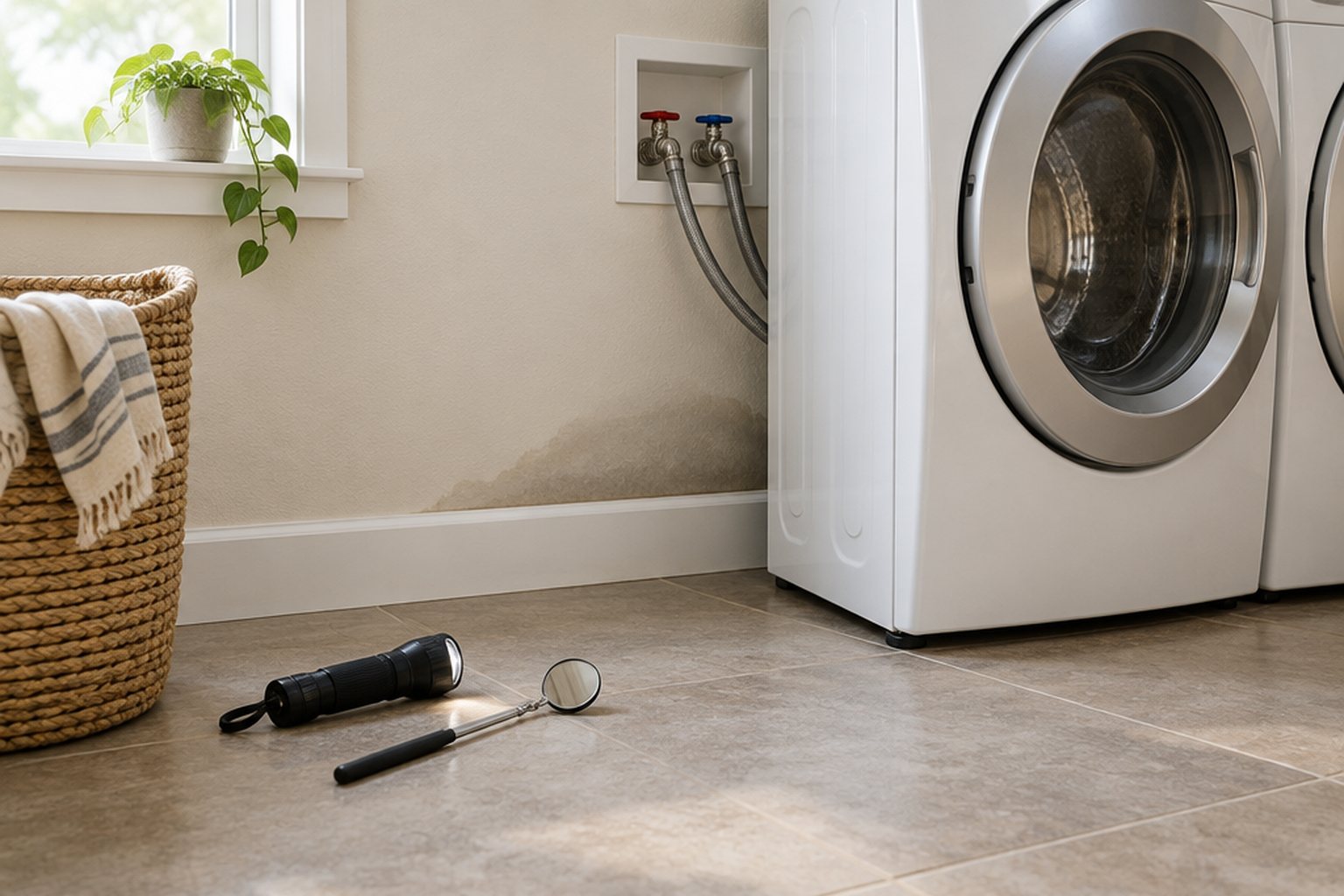
Record whether the concern began with a higher bill, an unexplained meter indication, damp finishes or a sound. Note recent plumbing work and whether the symptom changes when fixtures operate. A supply leak, a waste-line defect and a rain leak can appear near the same wall but require different tests. Do not let the word leak prematurely decide which system is responsible.
In the researched older-house discussion, the owner and utility were trying to distinguish a house leak from the buried service line. That is a useful diagnostic boundary. Before selecting a leak-location method, establish which side of that boundary remains plausible and which valves or meter observations can be used safely by the responsible professional.
Identify known water uses
List toilets, irrigation, water treatment, ice makers and other equipment that can use water intermittently. A meter indication while visible faucets are off does not automatically mean a concealed pipe is leaking. Some uses may be scheduled or difficult to hear. Record their operation rather than disabling unfamiliar equipment in an attempt to create a test condition.
EPA's home-maintenance guidance encourages awareness of the meter and household water systems. The practical benefit is being able to describe what was operating during an observation. Ask the utility or plumber how your specific meter should be read and what its display can establish. Shared meters, wells and special arrangements require a different interpretation from a simple individual municipal service.
Establish valve locations and ownership
Locate accessible shutoff information from the home's records and label known functions where appropriate. Do not force an old or unfamiliar valve, operate utility-owned equipment without authorization or assume one valve isolates every system. Fire protection, shared services and treatment equipment can complicate the arrangement. A plumber should identify the relevant boundaries before an isolation test.
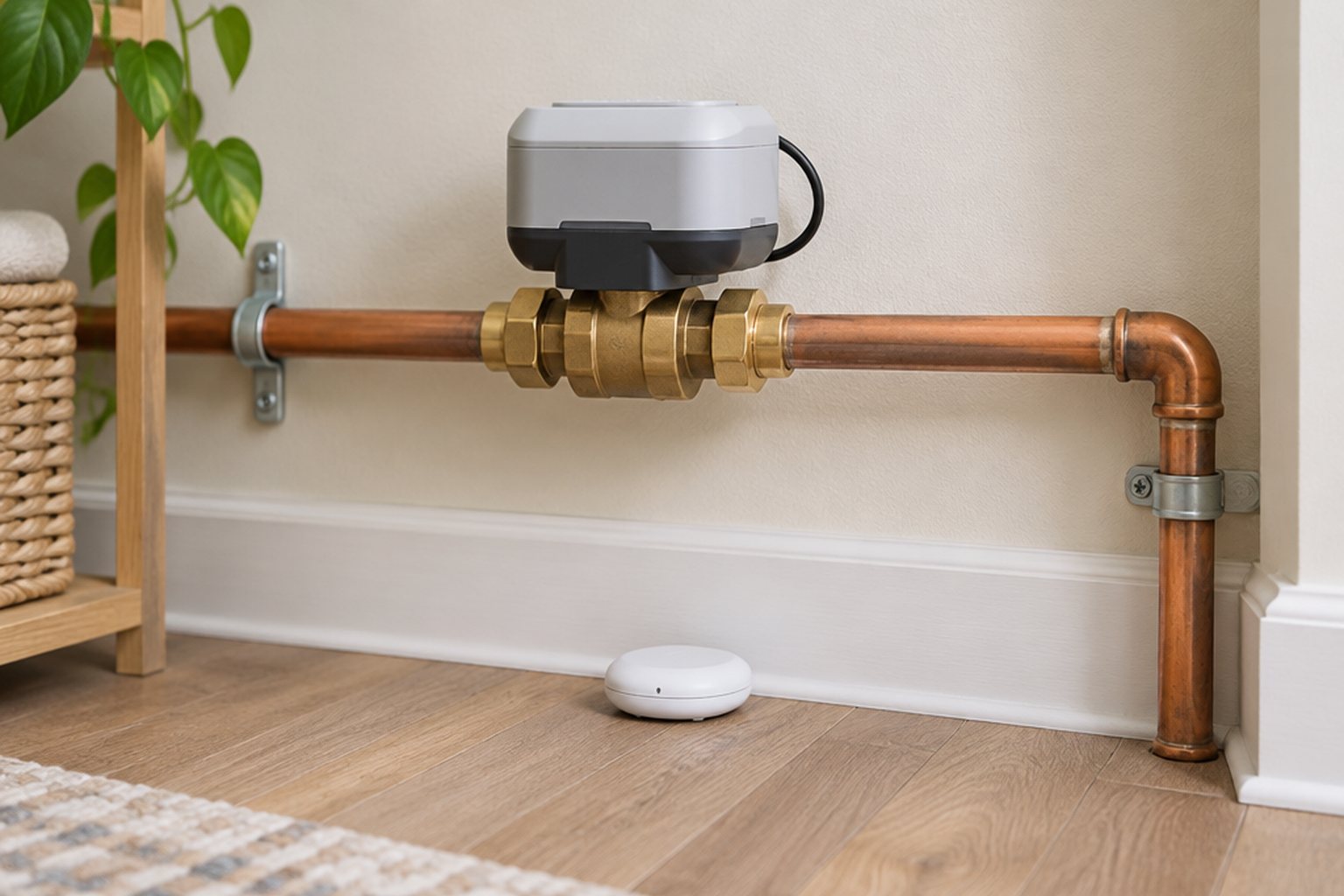
If a valve is inaccessible or unreliable, improving it may become part of the repair scope. That is a practical resilience improvement, but it should be planned with the actual system. A new easy-to-reach valve does not by itself identify the current leak. Keep the diagnosis and any upgrade clearly described so both purposes can be evaluated.
Ask for staged isolation rather than indiscriminate demolition
A qualified investigation can narrow possible sections before opening finishes, depending on the available valves, piping arrangement and symptoms. Ask which result would implicate an interior branch, a service line or a particular fixture. The procedure should account for equipment that cannot simply be disconnected and for limitations of existing valves.
The EPA guide to leak-detection and flow-monitoring devices describes different monitoring approaches and their uses. Such devices can supply helpful information, but installing a monitor is not the same as locating a specific concealed defect. The professional should explain why the chosen observation or tool is appropriate and what uncertainty remains after it is used.
Use location tools within their limits
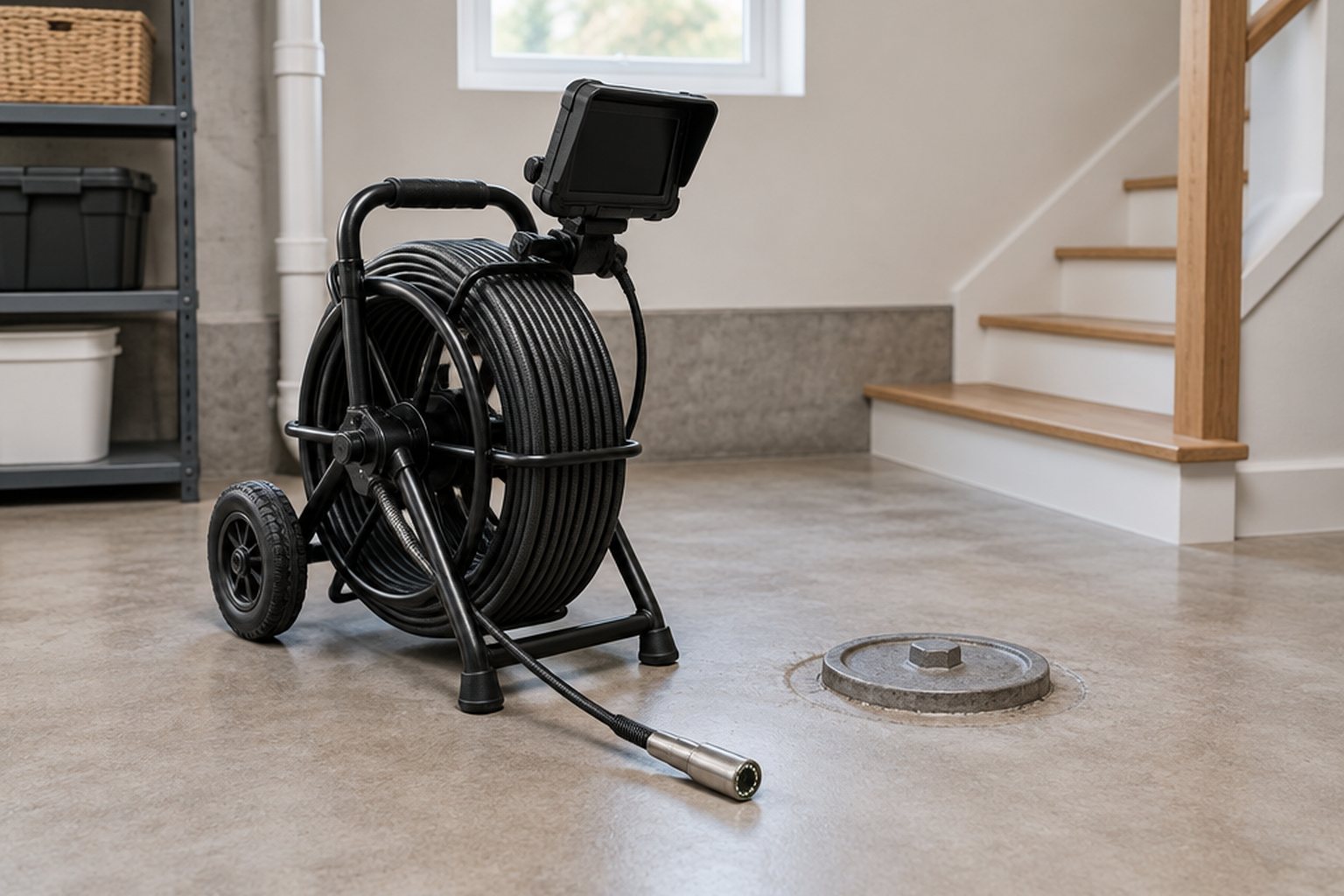
Acoustic, thermal and moisture methods can help guide investigation under suitable conditions. None should be presented as universally conclusive for every pipe, wall or leak rate. Ask what the tool detects, why conditions support its use and how a suspected location will be confirmed. A thermal anomaly may reflect something other than water, while a moisture reading does not necessarily identify the entry point.
For a hypothetical damp wall after rain, a supply-pipe search could be poorly targeted if meter and fixture observations do not support a plumbing source. Another home may show credible supply leakage with no visible stain because water escapes elsewhere. The combined evidence should guide the next step rather than a tool's reputation or the most convenient place to cut drywall.
Plan the access and repair boundary
Before opening a wall or floor, agree on the question the opening will answer and who restores the disturbed surfaces. Discuss known utilities and whether other hazards require assessment. The initial access should be sufficient for competent inspection and repair, not so small that work becomes improvised or so broad that investigation loses focus.
The historical HUD rehabilitation inspection guide is useful for considering existing plumbing and connected building conditions together. Its dated requirements should not be treated as current local law. The relevant planning principle is that a pipe repair can reveal wet or deteriorated surrounding material. Assign responsibility for evaluating that material rather than assuming the plumber's connection repair completes the whole project.
Separate leak repair from drying and reconstruction
After the source is corrected, ask how the repair will be verified under the appropriate operating conditions. Then evaluate affected finishes and concealed materials. Stopping water does not mean the assembly is ready to close, and drying a stain does not prove the source was repaired. These are separate milestones with different evidence.
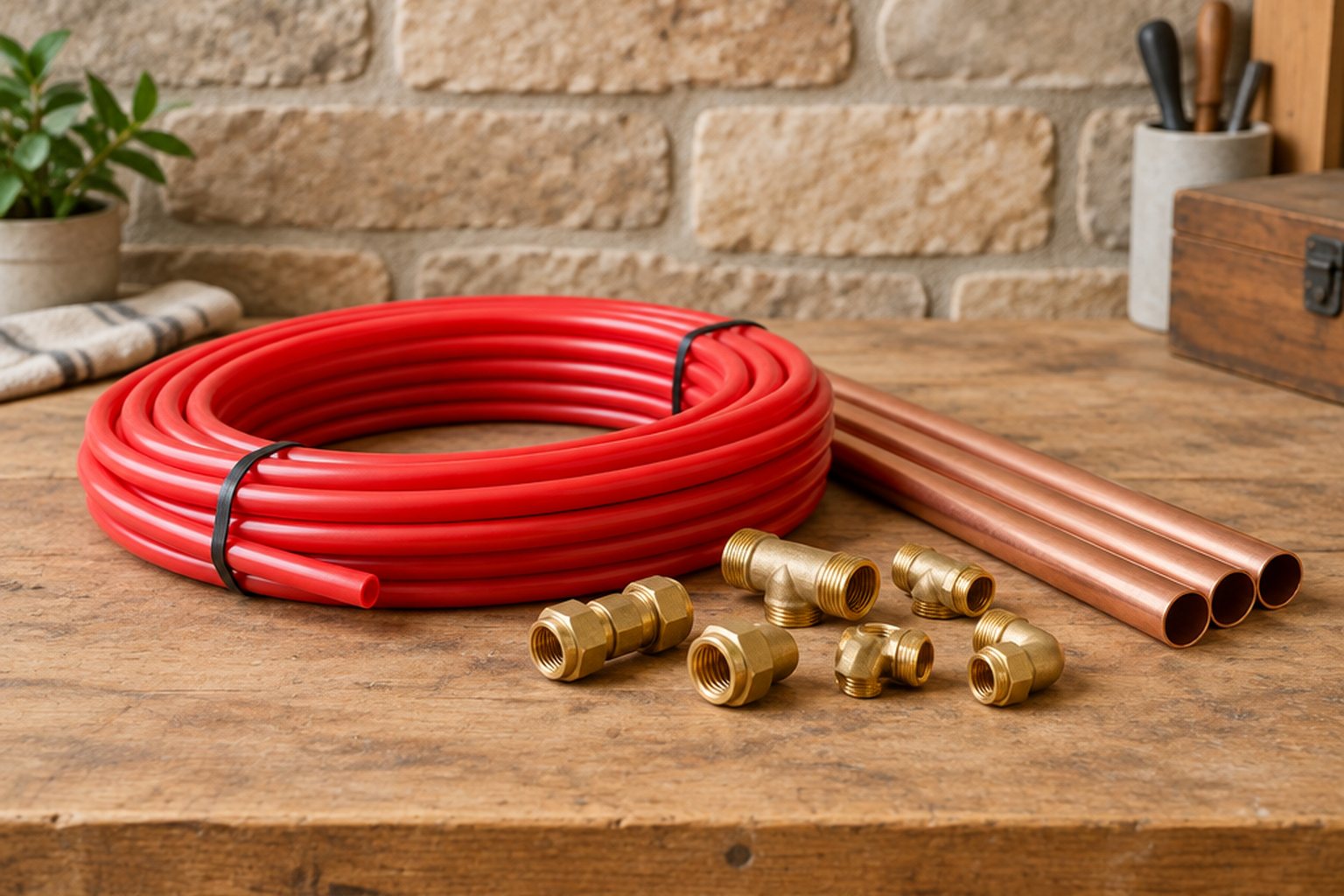
Request photographs of the exposed defect and completed repair where practical. Record any retained old piping or nearby conditions outside the scope. If additional replacement is recommended, ask how it relates to observed condition rather than accepting a whole-house repipe as the automatic consequence of one leak. Wider work may be justified, but it should have its own supported explanation.
Leave the house easier to monitor
Keep a simple record of shutoff locations, repair areas and equipment affected by isolation. Consider accessible point sensors or a suitable monitoring system where a future leak could remain unnoticed. Their value depends on placement, maintenance and the response plan, not merely whether an app sends alerts.
After reconstruction, observe the original symptom under relevant conditions and retain the verification record. If meter behavior remains unexplained, continue the investigation rather than assuming the visible repair resolved every water use. A good outcome is a confirmed source correction, appropriate drying and a clearer understanding of the home's water system, with remaining uncertainties explicitly identified.
BEFORE YOU PROCEED
Your project checklist
- Record the symptom and its relationship to weather or fixture use.
- Account for intermittent equipment and scheduled water uses.
- Have the relevant valves and service boundaries identified safely.
- Ask what each diagnostic method can establish.
- Define selective access, repair verification and finish restoration.
- Keep shutoff and monitoring information with the repair record.
Questions that come up next
Does a moving meter with faucets off prove a wall leak?
No. Toilets, irrigation, treatment equipment and other uses may still consume water. Establish the system's normal uses and use appropriate professional isolation before locating a concealed defect.
Should I open the wall where the stain appears?
Not automatically. Water can travel from elsewhere. A planned opening should answer a defined diagnostic or repair question and account for concealed utilities and affected materials.
EVIDENCE & SCOPE
Sources for this guide
Applies to: United States homeowner education. Climate, existing assembly, manufacturer instructions and locally adopted requirements govern project details; no nationwide code threshold is asserted.
Reddit discussions identify questions and experiences, not verified diagnoses or code requirements. Technical claims should be read with the linked primary source, product instructions and local requirements.
- Home Maintenancegovernment
Water-meter awareness and systematic household leak checks.
- Leak Detection and Flow Monitoring Devicesgovernment
Sensor and flow-monitor categories, shutoff selection and maintenance.
- Residential Rehabilitation Inspection Guidegovernment
Existing-building inspection, structural distress and hidden systems assessment. Historical HUD guide accepted in 2000; inspection background, not a statement of current local code.
- Older house with a water leakreddit
An anonymized homeowner question that informed the article. Retrieved through search excerpts; anecdotal evidence, not a technical diagnosis.